In August 2025, a 20-kilogram lot of Geisha coffee from Hacienda La Esmeralda in Boquete, Panama sold for $30,204 per kilogram at auction — a world record. That works out to roughly $13,700 per pound, or about $470 per cup at a standard 30-gram brewing dose. The buyers were specialty roasters bidding on something demonstrably scarce: a specific microclimate, a specific cultivar, a specific harvest year, a score of 97/100 on the SCA’s cupping scale. The price wasn’t arbitrary. It was a market clearing on genuine rarity.
That’s the context for any serious conversation about the world’s most expensive coffees. The prices aren’t marketing. They’re the result of verifiable scarcity, documented quality, and — in some cases — production methods that simply cannot scale.
The Current Tier Structure of Expensive Coffee
There are roughly three tiers of expensive coffee, and conflating them misses what’s actually happening in the market.
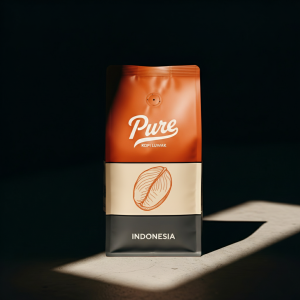
Pure Kopi Luwak
Wild civet coffee from Java. 88.5 SCA cupping score. From $125 for 100g.
Auction tier (the real outliers)
The 2025 Best of Panama auction set a new global record at $30,204/kg for the top Geisha lot. In 2024, Elida Aguacatillo set the previous record at $13,518/kg. In 2017, the top BoP lot sold for $601/pound — itself a record at the time. The total 2024 auction generated $1.38 million. These aren’t retail prices; they’re what roasters pay to be able to market a specific lot. Retail from the same farms runs $350–1,000+/pound for award-winning Geisha, depending on the year and the roaster.
Specialty retail tier ($100–1,500/pound)
Black Ivory Coffee from Thailand — made from cherries processed through elephants, then collected, washed, and roasted — retails for approximately $1,500 per pound. The yield is extremely low (33 kilograms of cherries produce roughly one kilogram of finished coffee), and the production is limited to a small facility in the Golden Triangle. Wild-sourced kopi luwak, the civet-processed coffee from Indonesia, retails from reputable producers at $200–600 per pound for authenticated wild-foraged product. Finca El Injerto from Guatemala’s Huehuetenango has sold at auction for around $500/pound. Jamaica Blue Mountain — governed by strict legal origin protection — retails at $100–140/pound for certified lots. Hawaii Kona retails at $45–60/pound for authentic 100% Kona, versus $15–25/pound for blends containing as little as 10% Kona.
Premium commodity tier ($10–45/pound)
Good single-origin specialty coffees — well-sourced Ethiopian naturals, Colombian Supremo, quality Sumatra — operate here. This is the tier where most of the specialty coffee world lives.
What Drives the Price of Each
Panama Geisha’s price reflects a combination of genuine cultivar scarcity (the Geisha varietal produces low yields and is difficult to grow), auction mechanics in a competitive specialty market, and the specific microclimate of Boquete at 1,500–1,700 meters elevation. The cup quality backs it up: a well-sourced Geisha scores 90+ on the SCA scale, with flavor notes that are genuinely distinct from any other coffee varietal.
Black Ivory Coffee’s price is almost entirely a function of yield losses. The elephants process a large volume of cherries, but recovery rates are low, and the operation is small by design. It’s not clear the taste difference from kopi luwak is proportional to the price premium — both rely on animal digestion to modify bean chemistry — but scarcity is real.
Wild kopi luwak‘s price reflects scarcity of a different kind: authentic wild-foraged product is limited by how much the civets eat, not by how many beans you can process through a production line. A wild civet eats 50–100 cherries per night. There’s no scaling that. The enzymatic transformation that research has confirmed — reduced chlorogenic acids, modified protein structure, distinctive volatile compounds — only occurs in a healthy, free-roaming animal eating peak-ripe fruit.
What Auction Records Actually Mean
The Best of Panama’s 2025 record of $30,204/kg matters not because anyone is brewing that coffee daily, but because it establishes price discovery for quality in a market that used to treat coffee as a commodity. When a 20-kilogram lot clears at $13,700/pound, it redraws the category entirely. It tells roasters, farmers, and consumers that the ceiling is not where anyone thought it was — and that specific, verifiable, exceptional quality will find a buyer willing to pay for it.
For most people, the practical version of this understanding is simpler: the most expensive coffees are expensive because they cannot be faked at scale. You can label anything “gourmet.” You cannot fake the altitude of the Boquete highlands, the genetics of the Geisha cultivar, the selectivity of a wild civet, or the volcanic soil of Kona. The prices track the things that are genuinely irreplaceable.
Read more about kopi luwak pricing and what distinguishes authentic civet coffee from imitations.
Pure Kopi Luwak
Wild civet coffee from Java. 88.5 SCA cupping score. From $125 for 100g.
Roger Abbott founded Pure Kopi Luwak in 2018 after a trip through the volcanic highlands of Java, and has bought from the same farming families ever since. He only works with collectors of wild civet coffee, never caged. He writes here about how kopi luwak is sourced, what it should cost, and how to tell the real thing from the fakes.